Root Canal Therapy
Save damaged or infected teeth with gentle root canal treatment to relieve pain and preserve your natural smile.
Save damaged or infected teeth with gentle root canal treatment to relieve pain and preserve your natural smile.
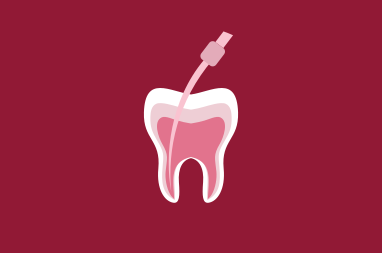
Inside every tooth is soft tissue called the pulp, which holds its nerve and blood supply. When deep decay, a crack or an injury lets bacteria reach the pulp, it becomes inflamed or infected. That is what causes the throbbing, lingering pain people associate with a bad toothache.
Root canal treatment removes the infected pulp, cleans and disinfects the inside of the tooth, and seals it. The tooth stays in your mouth, working like any other tooth. With today's anaesthetics and techniques, most patients say the procedure feels much like having a filling.
Most root canals are completed in one or two visits.
The tooth may feel tender for a few days, especially when biting. Over-the-counter pain relief usually manages this well. Avoid chewing hard foods on that side until the final filling or crown is in place. Brush and floss as normal. Call us if swelling appears or pain gets worse instead of better.
Cost depends on which tooth is treated, because back teeth have more canals than front teeth, and on whether a crown is needed. Most plans, including the Canadian Dental Care Plan, cover root canal treatment. We bill directly and give you an estimate first.
Is a root canal painful?
The tooth is fully numbed, and most patients find it no more uncomfortable than a filling. The pain usually comes from the infection beforehand, which the treatment relieves.
Can't I just have the tooth pulled?
Sometimes that is an option, but a missing tooth usually needs replacing with an implant, bridge or denture to stop other teeth shifting. Saving the tooth is often simpler in the long run.
Do I need a crown after a root canal?
Back teeth usually do, because they take heavy chewing forces and can crack once treated. Front teeth can often be restored with a filling alone.
What happens if I wait?
The infection won't heal on its own. It can spread to the bone, cause an abscess and make the tooth impossible to save.
My tooth stopped hurting. Do I still need treatment?
Yes. Pain can stop when the nerve dies, but the infection remains and can flare up later.
Our dentists and team treat every patient with patience and care. We explain things clearly and recommend only the care that makes sense for you.

Pick what sounds like you and we will take it from there.
Pick what sounds like you and we will take it from there.

A routine checkup or urgent care, we are ready when your family is. New patients welcome.